What Happens If Water Damage Is Not Dried Properly
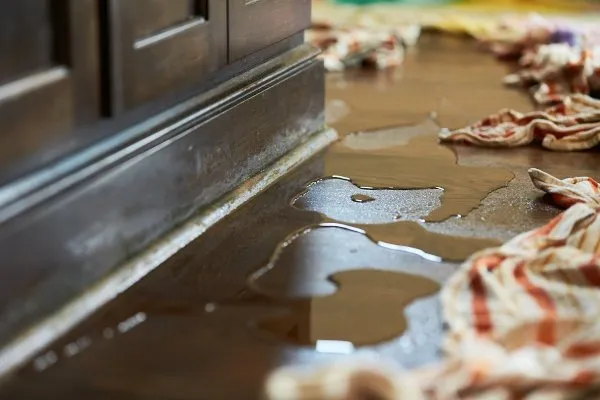
Water damage does not end when the visible water disappears. Many homeowners believe that once a leak is stopped and surfaces look dry, the issue has been resolved. In reality, improper drying is one of the main reasons water damage turns into long term and costly problems. Moisture often remains hidden inside walls, floors, and structural materials, continuing to cause damage long after the initial incident seems over.
Drying a property correctly is not just about removing standing water. It requires pulling moisture out of the materials that absorb and trap it. When drying is rushed or incomplete, water damage continues quietly behind the scenes.
How Water Hides Inside Building Materials
Water moves quickly into porous materials. Drywall absorbs moisture almost immediately, wood framing pulls water deep into its fibers, and insulation holds moisture in place. Even when surfaces feel dry to the touch, moisture can remain trapped inside these materials for extended periods.
Without proper drying methods, that trapped moisture has nowhere to go. Over time, it weakens materials and creates conditions that allow damage to spread.
Why Surface Drying Is Not Enough
Many homeowners rely on fans or open windows, assuming airflow and time will solve the problem. While airflow helps dry the air, it does very little to remove moisture from inside walls, floors, and structural components.
As humidity increases, evaporation slows. Without proper dehumidification and moisture control, materials remain wet even when the space looks dry. This is one of the most common reasons water damage resurfaces later.
Mold Growth Becomes More Likely
Mold does not need standing water to grow. It only needs moisture, organic material, and time. When water damage is not dried thoroughly, these conditions are easily met.
Mold often begins growing in hidden areas like wall cavities, under flooring, or above ceilings. By the time it becomes visible or noticeable by odor, contamination has usually spread beyond the original damage area.
Structural Materials Begin to Weaken
Prolonged moisture changes the integrity of building materials. Wood can swell, warp, and lose strength. Subfloors may soften. Drywall can crumble or sag.
These changes often happen gradually, making them easy to miss. Improper drying allows deterioration to continue unnoticed until repairs become unavoidable and far more expensive.
Lingering Odors Do Not Go Away
Musty odors are a common result of incomplete drying. These smells usually come from damp materials or microbial growth hidden inside the structure.
Cleaning products and air fresheners may temporarily mask odors, but they do not remove the source. As long as moisture remains, the smell will return.
Indoor Air Quality Can Decline
Moist environments affect indoor air quality. Damp materials release particles and odors into the air that can cause discomfort, irritation, or breathing issues.
People may notice allergy symptoms, headaches, or a general sense that the indoor space feels unhealthy. Proper drying helps restore balanced humidity levels and improves overall air quality.
Water Damage Rarely Stays in One Place
Water does not stay where it starts. Moisture travels through framing, flooring, and insulation, often reaching areas far from the original source.
A leak in one room can affect nearby rooms or even different levels of the property. Improper drying allows this spread to continue, increasing the scope and cost of the damage.
Why Moisture Monitoring Matters
One of the most important parts of proper drying is monitoring moisture levels throughout the process. Materials must reach safe moisture levels, not just appear dry on the surface.
Without monitoring, drying becomes guesswork. Areas may still be wet even when everything looks normal. Monitoring ensures drying is complete and helps prevent future issues.
Insurance Problems Linked to Improper Drying
Improper drying can complicate insurance claims. If damage worsens because moisture was not addressed properly, coverage may be questioned.
Insurance providers expect reasonable steps to be taken to prevent further damage after a loss. Documented professional drying helps demonstrate that appropriate action was taken to protect the property.
The Long Term Cost of Cutting Corners
Incomplete drying may seem like a time saver at first, but it often leads to higher costs later. Mold remediation, structural repairs, flooring replacement, and odor removal can add up quickly.
What could have been resolved with proper drying turns into a much larger restoration project. Many homeowners end up paying significantly more by not addressing moisture correctly the first time.
What Proper Drying Actually Involves
Proper drying begins with identifying all affected areas. Water is extracted where possible, and professional drying equipment is placed strategically to target wet materials.
Dehumidifiers remove moisture from the air so materials can release trapped water. Air movement supports evaporation. Moisture levels are checked regularly until safe levels are reached and the risk of further damage is eliminated.
Final Thoughts
Water damage does not end when the water is gone, because moisture left behind continues to cause damage over time. When drying is incomplete, materials weaken, mold can develop, and indoor air quality can suffer without obvious warning signs. Proper drying is the foundation of effective water damage restoration, helping protect the structure, prevent future problems, and reduce long term repair costs. Addressing moisture thoroughly the first time preserves the condition of the property and avoids issues that often become far more expensive if ignored.