Water damage is rarely dramatic at first. It usually does not arrive as a flooded living room or a ceiling collapsing overnight. Instead it creeps in quietly behind walls, under floors, and inside ceilings, doing damage long before it becomes obvious. By the time many homeowners realize something is wrong, the problem has already spread and become more expensive to fix.
Hidden water damage is one of the most common and most overlooked issues in homes. It does not announce itself clearly. It leaves subtle clues that are easy to ignore or explain away. Understanding these signs can help you catch water damage early, protect your property, and avoid serious structural and health problems later.
Why hidden water damage is so common
Homes are full of water sources. Plumbing lines run through walls and floors. Appliances use water every day. Roofs and windows are exposed to rain and storms. Even humidity can create moisture problems when ventilation is poor. Many leaks start small. A slow drip behind drywall. A loose fitting under a sink. A roof flashing that lets in rain during storms. Because these issues are out of sight, they often go unnoticed for weeks or even months. During that time, moisture spreads into building materials that were never meant to stay wet.
Drywall absorbs water easily. Wood framing swells and weakens. Insulation holds moisture and creates the perfect environment for mold. All of this can happen without a single visible puddle on the floor.
Subtle signs of water damage most people miss
Hidden water damage usually leaves clues. The problem is that these clues often look harmless at first. Here are some of the most common warning signs homeowners overlook.
Changes in walls or ceilings
Discoloration on walls or ceilings is one of the earliest signs of water damage. Yellow or brown stains often appear where moisture is trapped behind the surface. Paint may start to bubble, peel, or look uneven. Drywall can feel soft or spongy when pressed. Ceilings are especially important to watch. A small stain can mean water is collecting above it. Gravity helps water spread outward, so what you see on the surface is often smaller than the damage behind it.
Warped or uneven flooring
Floors react quickly to moisture. Hardwood may cup or crown. Laminate can buckle or separate. Tile may loosen as the subfloor beneath it absorbs water. Carpet can feel damp or develop a musty smell even when it looks dry. Many homeowners assume these changes are caused by age or normal wear. In reality, moisture is often the culprit.
Persistent musty odors
A musty or damp smell is one of the strongest indicators of hidden water damage. Odors often come from mold growth or trapped moisture in walls, floors, or insulation. If the smell lingers even after cleaning or airing out the space, moisture is likely present somewhere you cannot see.
These odors are common in basements, bathrooms, laundry rooms, and closets along exterior walls.
Unexpected increases in utility bills
A sudden increase in water usage can point to a hidden leak. Even small leaks can waste a significant amount of water over time. If your bill rises without a clear explanation, it may be worth investigating plumbing lines, appliances, and fixtures.
Condensation where it should not be
Condensation on windows can be normal, but moisture forming on walls, ceilings, or pipes is not. Excess condensation often means humidity levels are too high or water is entering the space from somewhere else. Over time, this moisture can lead to damage and mold growth.
Cracks that keep coming back
Small cracks in drywall or around windows that reappear after repair can indicate movement caused by moisture. When building materials absorb water, they expand and contract, stressing joints and surfaces.
Common sources of hidden water damage
Knowing where water damage usually starts can help you catch problems earlier.
Plumbing leaks
Supply lines, drain pipes, and fittings can leak slowly without obvious signs. Leaks inside walls or under floors are especially dangerous because they can run for long periods before being discovered.
Appliance failures
Dishwashers, washing machines, refrigerators, and water heaters are frequent sources of water damage. Hoses can loosen or crack. Drain pans can overflow. Because these appliances are often tucked away, leaks may go unnoticed.
Roof and exterior issues
Missing shingles, damaged flashing, and clogged gutters allow water to enter the structure. Wind driven rain can push moisture into places it does not belong. Once inside, water spreads through framing and insulation.
Poor ventilation
Bathrooms, kitchens, and laundry areas produce moisture every day. Without proper ventilation, humidity builds up and condenses on surfaces. Over time, this can cause water damage even without a leak.
Why ignoring hidden water damage is risky
Water damage does not stay contained. Moisture moves through materials and spreads over time. What starts as a small leak can become a large restoration project if ignored.
Structural damage is one of the biggest risks. Wood framing weakens when it stays wet. Subfloors lose integrity. Drywall crumbles. Repairs become more complex and costly the longer moisture remains.
Mold growth is another major concern. Mold can begin growing within a short time when moisture is present. Once it spreads, remediation becomes necessary to protect indoor air quality and occupant health.
Hidden water damage can also affect property value. Buyers and inspectors often flag moisture issues, stains, and mold. Addressing problems early helps preserve the condition and value of the home.
How professionals find hidden water damage
Water damage restoration professionals use specialized tools to locate moisture that is not visible. Moisture meters detect water inside walls and floors. Infrared cameras reveal temperature differences caused by wet materials. These tools allow technicians to map the extent of the damage and target affected areas accurately.
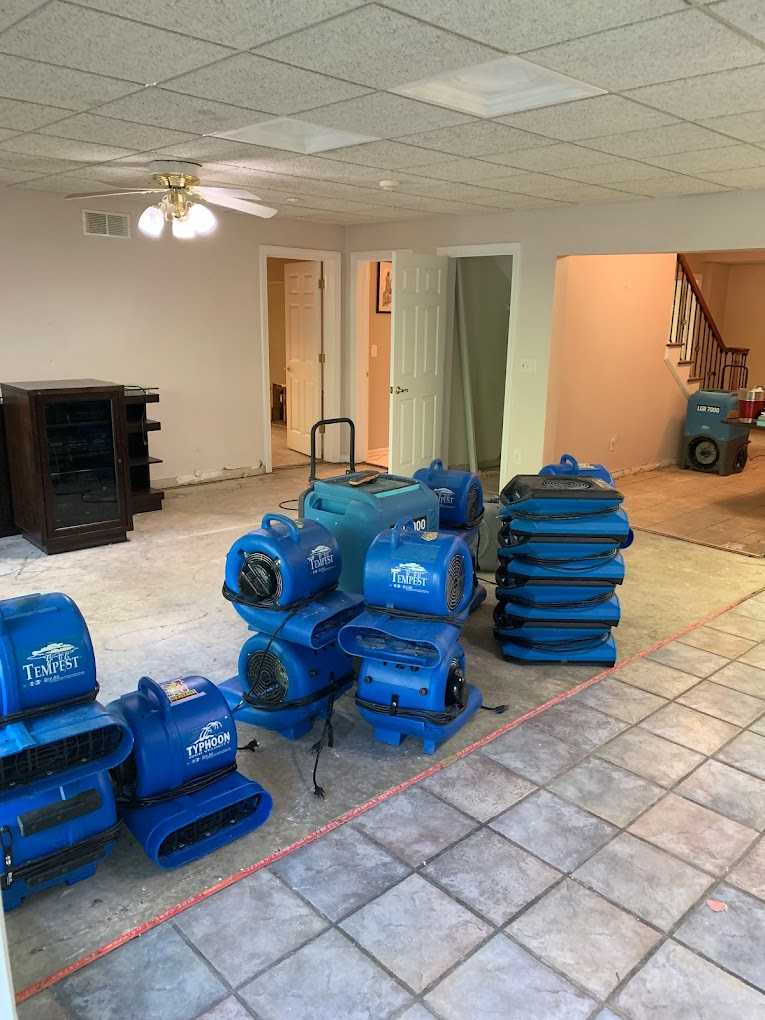
Professional drying equipment is also critical. Fans and dehumidifiers are used strategically to remove moisture from structural materials, not just the air. Monitoring continues until materials reach safe moisture levels.
When to take action
If you notice any of the signs mentioned above, it is best to act sooner rather than later. Waiting rarely makes the problem better. Early inspection and intervention can prevent extensive damage and reduce overall repair costs.
Even if you are unsure, having a professional assessment can provide peace of mind. Many homeowners are surprised to learn how far water has traveled behind surfaces that look perfectly fine.
Protecting your home moving forward
Regular maintenance plays a big role in preventing hidden water damage. Check under sinks and around appliances periodically. Keep gutters clear. Address roof damage promptly. Make sure bathrooms and kitchens are properly ventilated.
Pay attention to changes in your home. New smells, stains, or surface changes are often early warnings. Trust those signals instead of dismissing them.
Hidden water damage thrives on inattention. Awareness is the first and most effective defense. By recognizing the subtle signs and understanding how water behaves inside a home, you can protect your property, your health, and your investment before a small issue becomes a major problem.