When a fire happens in a home or business, most people focus on the flames themselves. Once the fire is out, it is easy to assume the worst is over. In reality, smoke and soot damage often cause more long term problems than the fire itself, especially in Cottonwood, AZ where homes are exposed to dry conditions, wildfire smoke, and wind patterns that help residue spread quickly.
Smoke and soot do not stay contained to the room where the fire started. They travel through hallways, vents, attics, and wall cavities, settling into surfaces that may not look damaged at first. Without proper cleanup, this residue continues to affect the structure, air quality, and safety of the property.
How Smoke Spreads Through Cottonwood Homes
Smoke moves fast and finds every opening it can. In Cottonwood homes, smoke often spreads through attic spaces, HVAC systems, and older construction gaps. Even a small fire in a kitchen or garage can result in smoke residue throughout the entire property.
Because Cottonwood experiences dry air and seasonal winds, smoke particles can settle deeply into porous materials like drywall, insulation, wood framing, and upholstery. This makes smoke damage harder to remove without professional methods.
What Soot Really Does to Surfaces
Soot is not just dirt. It is a corrosive byproduct of combustion that can damage materials over time. When soot is left on walls, ceilings, metals, and electronics, it continues to break down surfaces long after the fire is out.
In Cottonwood properties, soot damage is often overlooked because it can appear as a light gray film or faint discoloration. However, this residue can stain paint, weaken finishes, and damage sensitive components if not addressed properly.
Why Odors Do Not Go Away on Their Own
One of the most common complaints after a fire is lingering smoke odor. Opening windows or using air fresheners rarely solves the problem. Smoke odors are caused by particles embedded in materials, not just airborne smells.
In Cottonwood, where homes are often sealed tightly for energy efficiency, smoke odors can become trapped inside wall cavities and insulation. Without proper odor removal techniques, these smells return again and again, especially during warm weather when materials release trapped particles.
Fire Suppression Causes Secondary Damage
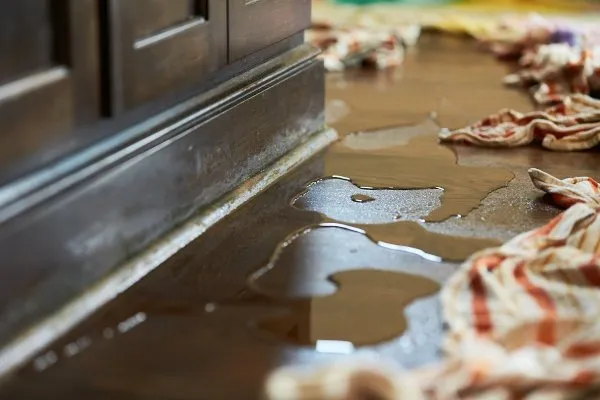
Putting out a fire almost always causes additional damage. Water, foam, and debris used during firefighting efforts can saturate materials and spread residue further into the structure.
In many Cottonwood fire losses, water damage from suppression efforts combines with smoke and soot damage. If not addressed together, this combination can lead to mold growth, material deterioration, and further structural concerns.
Hidden Damage After a Fire
Not all fire damage is visible. Heat can weaken structural materials even if they appear intact. Smoke can penetrate wall cavities and attic spaces without leaving obvious marks. Electrical systems may be affected by heat or residue buildup.
A thorough inspection is critical after a fire in Cottonwood, AZ to identify damage that may not be immediately apparent. Skipping this step can leave serious issues unresolved.
Health and Air Quality Concerns
Smoke residue affects indoor air quality. Fine particles from smoke and soot can remain airborne or resurface when disturbed. This can cause respiratory irritation, headaches, and discomfort for occupants.
In Cottonwood homes, where outdoor air quality can already be impacted by seasonal wildfire smoke, indoor smoke contamination makes conditions even worse. Proper cleanup helps restore a healthier living environment.
Why Professional Cleanup Is Important
Fire damage cleanup is not the same as standard cleaning. Household cleaners are not designed to remove soot safely and can actually spread residue further. Improper cleaning can smear soot into surfaces, making damage permanent.
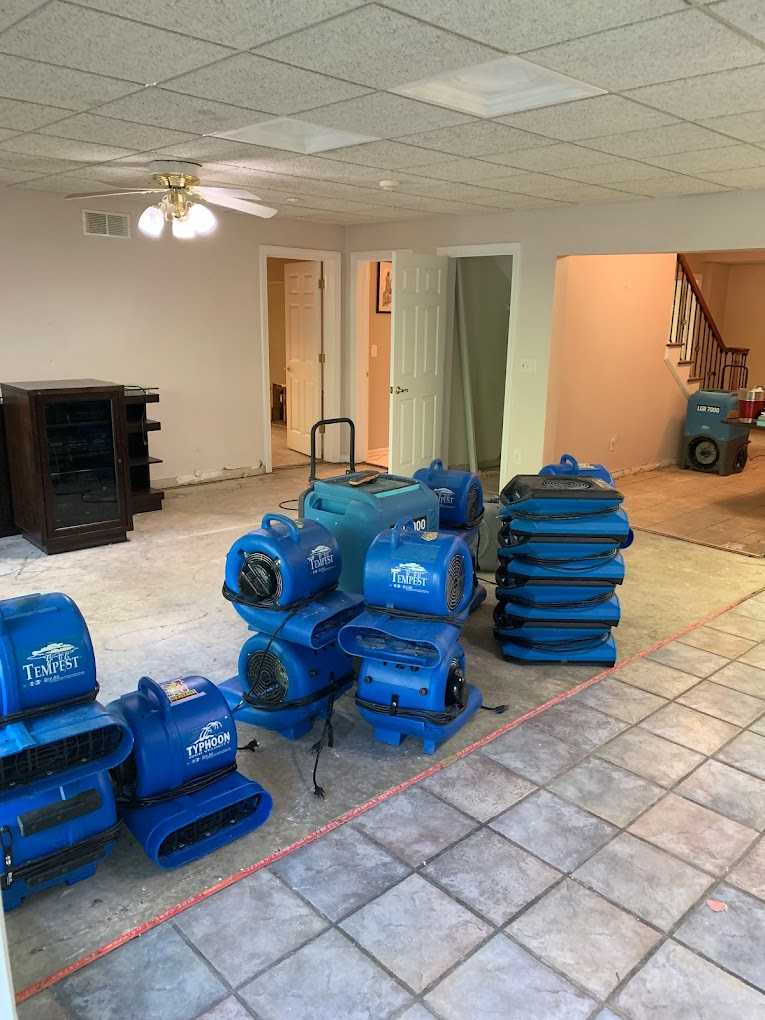
Professional fire damage restoration uses specialized equipment and methods to remove smoke residue, clean affected surfaces, and control odors without causing further damage. This approach protects both the structure and the contents of the property.
The Risk of Delaying Fire Damage Restoration
Delaying cleanup allows smoke and soot to continue causing damage. Stains set in. Odors deepen. Corrosion accelerates. The longer residue remains, the harder it becomes to remove.
In Cottonwood, AZ where heat and dry air can intensify these effects, early restoration plays a major role in reducing repair costs and recovery time.
What Fire Damage Restoration Involves
Fire damage restoration begins with a detailed inspection to assess the extent of smoke, soot, and heat impact. A clear plan is created to address affected materials, contents, and structural areas.
Cleanup includes removing soot, cleaning surfaces, addressing odors, and protecting materials from further damage. Air quality control and monitoring help ensure the space is safe and comfortable again.
Restoring Safety and Peace of Mind
Fire damage is stressful, even when the damage appears limited. Smoke residue and hidden damage can make a property feel unsafe or unlivable.
Proper fire damage restoration helps Cottonwood homeowners and business owners move forward with confidence, knowing their space has been thoroughly cleaned, stabilized, and restored.
Final Thoughts
Fire damage does not end when the flames are gone. Smoke and soot continue to affect a property long after the fire is out, especially in Cottonwood, AZ where environmental conditions allow residue to spread and settle deeply. Addressing fire damage properly protects the structure, improves air quality, and prevents long term issues that can surface months later. Professional cleanup restores not just the building, but the sense of safety and comfort that makes a space feel livable again.